How small businesses rank on Google in 2026
The SEO playbook small businesses can actually execute. Without an agency or a full-time content team.
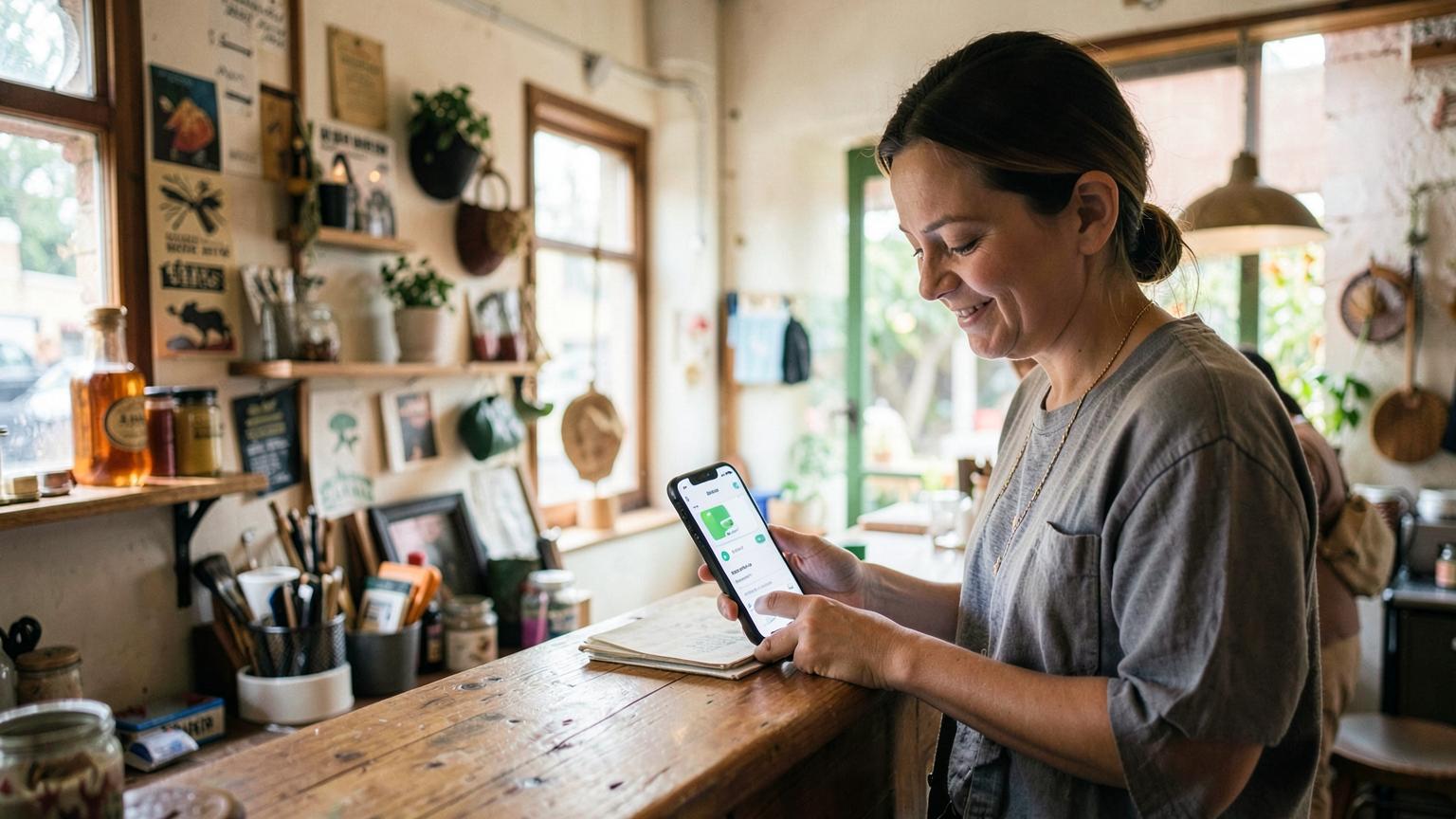
In 2026 Google ranks small-business sites on three things: helpful content, topical authority, and freshness. Ship a structurally sound site, publish around a tight cluster of related topics, and keep every page updated automatically.
What's actually changed
AI Overviews and answer engines now sit above the traditional ten blue links for many queries. Being one of the cited sources matters more than being position #4. Google's helpful-content updates have made it brutal for thin, set-and-forget sites.
The good news: both shifts favour small businesses with focused expertise over generic content farms.
The three things to get right
Forget keyword-density and backlink schemes. The 2026 ranking playbook comes down to three pillars:
- Helpful content. Write for the customer's actual question, not for the keyword.
- Topical authority. Publish 5–15 related posts around each topic, all internally linked.
- Freshness. Review and refresh every page every 90–180 days.
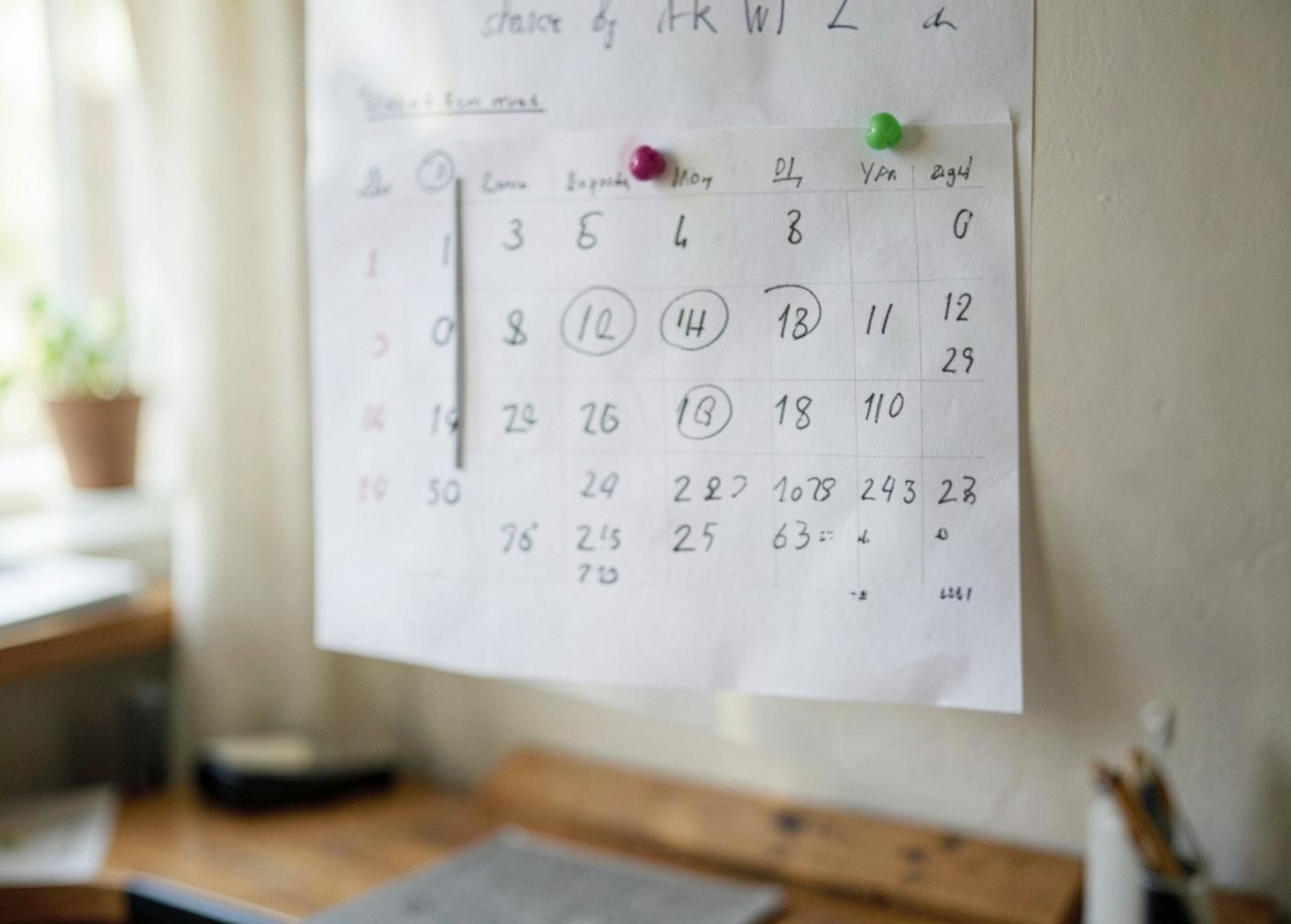
- Helpful, focused content beats keyword tricks in 2026.
- Topical clusters with strong internal links outrank scattered posts.
- A page that's never updated will lose rankings, even if it was once #1.
Frequently asked questions
How many blog posts do I need to start ranking?
Plan in clusters, not totals. A focused cluster of 8–12 posts on one topic, all internally linked, usually starts ranking in 3–6 months.